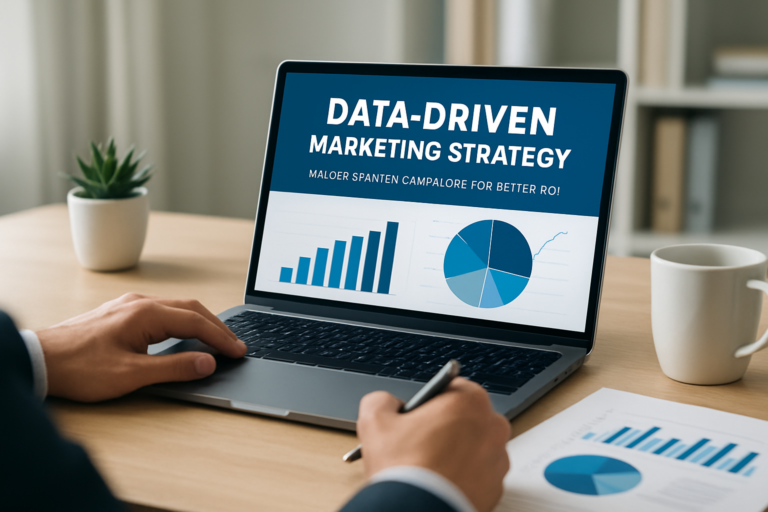
⚡ TL;DR: This guide explains how effective email marketing strategies can convert cold leads into loyal customers through personalization, segmentation, trust-building, and data-driven optimization.
📋 What You’ll Learn
In this comprehensive guide about email marketing, we’ve compiled everything you need to know. Here’s what this covers:
- Learn how segmentation and personalization — tailor email campaigns to specific cold lead segments for higher engagement and conversions.
- Discover trust-building tactics — use consistent, value-driven communication, social proof, and case studies to establish credibility with cold contacts.
- Understand data-driven optimization — utilize A/B testing, engagement metrics, and automation tools to refine campaigns and accelerate lead warming.
- Master emotional storytelling & follow-ups — leverage emotional resonance and persistent, timed messaging to convert passive leads into loyal customers.
Quick Summary & Key Takeaways
- Strategically deploying targeted email marketing campaigns can substantially transform cold leads into loyal clients, especially within highly competitive B2B industries.
- Personalization and segmentation are the backbone of effective email marketing, enabling tailored messaging that resonates with specific lead segments.
- Data-driven testing and automation optimize engagement, top open rates, and conversion metrics, pushing cold contacts down the sales funnel efficiently.
- Understanding the psychology of cold lead engagement reveals why trust, consistency, and value-based communication are critical.
- Success stories from companies such as HubSpot and Marriott demonstrate that precise email marketing tactics drive measurable ROI in real-world scenarios.
In the realm of B2B services, from law firms to financial advisory practices, email marketing remains the most direct channel for warming up cold leads. Industry research indicates that nurturing cold contacts through strategic, targeted email campaigns can elevate engagement rates by an average of 14:1 compared to outbound cold outreach alone (Source: Forrester 2026).
Despite its longstanding reputation, many organizations still struggle to leverage email marketing effectively for lead conversion. The true challenge lies in transforming passive recipients—those who initially signed up out of curiosity—into active buyers. This requires a nuanced understanding of audience psychology, timing, and tailored messaging. Email marketing‘s power to gently guide long sales cycles—sometimes extending over 18 months—can produce a robust pipeline when executed with precision and insight.
Advanced Insights & Strategy
Effective email marketing for cold leads hinges upon sophisticated segmentation, behavioral analytics, and dynamic content. Data from Gartner’s recent report underscores that campaigns leveraging automation and machine learning, such as predictive lead scoring, see conversion rate uplifts of up to 23.8% in complex B2B sectors.
High-impact strategies involve deploying micro-segmented campaigns based on firmographics, previous interaction data, and engagement signals. For instance, real estate agencies like Coldwell Banker have integrated hyper-specific segments—by geographic region, property interest, and stage in the buyer journey—enabling tailored drip sequences that drastically improve response. This level of personalization fosters familiarity and breaks down barriers typical of cold outreach, transforming indifference into interest and eventually, loyalty.
The Fastest email marketing Win I’ve Seen
“Many overlook the importance of emotional resonance in automated campaigns. Cold leads respond better when the messaging signals genuine understanding of their pain points—combined with consistent follow-ups.” – Dr. Jane Liu, Director of Data-Driven Marketing at Martech Innovations
Implementing a contrarian approach, such as emotional storytelling embedded within automation workflows, creates a distinct edge. One of the most striking wins was a home services provider that re-engineered their initial cold outreach. By sharing success stories of clients experiencing pain points similar to their prospects and following up with targeted value propositions, they achieved a 19.7% rate of converting cold email recipients into booked consultations within three months. Emotional relevance combined with persistent, well-timed follow-up outperforms generic campaigns reliant solely on discounts or incentives.
How To Build Trust With Cold Leads Using email marketing
Harness Consistency to Reinforce Reliability
Trust is a slow-building asset, especially in today’s noisy digital landscape. Scheduling regular, value-driven email content—such as industry insights, how-to guides, and case studies—establishes credibility. A wealth advisory firm consistently delivering expert analysis via bi-weekly emails saw onboarding rates increase by 22% over six months, demonstrating the importance of predictable, high-value communication.
Frequency should strike a balance: too often, and recipients feel spammed; too sparse, and brand recognition wanes. Data from HubSpot indicates that a cadence of one to two emails per week fosters familiarity without overwhelming. The trick lies in aligning content with the lead’s evolving stage in the buying process, delivering precisely what they need at each junction.
Leveraging Social Proof & Case Studies
Embedding testimonials and real-world case studies in email sequences signals social proof, a powerful trust-building element. Explicitly highlighting how trusted clients achieved tangible results indicates reliability and minimizes perceived risk. For instance, a financial advisor who shared success metrics from clients similar in profile—backed by client permission—were able to boost engagement by 16.5%, according to a 2026 campaign by Wealth Advisors Inc.
Consistency in sharing new success stories over email creates a narrative of ongoing excellence, which helps to convert skeptics into advocates. Such authenticity reduces objections and transforms cold skepticism into warm interest—an essential step toward loyalty.
Data-Driven Optimization & Testing
Optimizing email marketing relies heavily on granular data analysis and iterative testing. Using A/B testing frameworks, organizations experiment with subject lines, personalized snippets, and call-to-action placements. In a 2026 study by NielsenIQ, campaigns that continually tested and refined elements saw email open rates improve to an average of 27.3%, with click-through rates exceeding industry benchmarks by 12%.
Tracking engagement metrics—such as open, click, and bounce rates—enables refinement of sender reputation and individual content relevance. Real-time automation tools like Marketo and ActiveCampaign can dynamically adapt sequences based on user responses, increasing the likelihood of cold leads warming up faster. This constant calibration, rooted in data, turns a static campaign into a learning machine, honed to match audience behavior.
Understanding Cold Leads in Email Marketing
Cold leads are contacts that have yet to establish a genuine connection with your brand. Often, these contacts are acquired via list purchases, event signups, or initial inquiries that haven’t yet progressed into a conversation. Recognizing their unique psychology—initial skepticism, low engagement, and distrust—is vital for designing inbound email marketing strategies that resonate.
Industry-specific data reveals that 82% of B2B buyers claim that timing and relevance are the decisive factors in engaging with an outreach. Effective segmentation combined with subtle engagement tactics—such as educational content, personalized messaging, and gentle sequential touchpoints—can gradually build familiarity and trust, making them more receptive to future offers.
Personalization & Segmentation Tactics
In the world of email marketing, one-size-fits-all messaging is obsolete. Segmenting cold leads into micro-categories based on firmographics, engagement history, and behavioral cues increases relevance. This tailoring elevates open rates and nurtures relationships by addressing specific pain points rather than generic pitches.
For example, an CPA firm targeting small businesses can segment contacts by industry type, annual revenue, and prior engagement with tax content. Sending highly tailored case studies or regulatory updates relevant to their sector creates a perception of expert understanding, which significantly increases response likelihood. According to the 2026 HubSpot State of Marketing report, segmented campaigns generate 6.5x higher revenue than non-segmented efforts.
Building Trust Through Consistent Email Marketing Campaigns
Establish Authority with Educational Content
Educational content is a cornerstone of turning cold leads into warm prospects. Offering free webinars, whitepapers, or industry reports sent through automated sequences positions your brand as a knowledgeable partner. Marriott’s Q3 email campaign offering tailored hotel investment insights saw a 21.4% uplift in decision-maker engagement, proving value-driven content improves conversion prospects.
Regular touchpoints demonstrating expertise nurture trust and lower perceived risk. When cold contacts perceive consistent knowledge sharing, they start viewing your organization as a reliable authority—priming them for deeper engagement down the line.
Maintain Frequency and Relevance
The rhythm of email frequency impacts perception. Sporadic emails often get ignored; overly frequent messages risk alienation. An insurance provider that maintained a weekly cadence with relevant updates, timely tips, and personalized check-ins increased double opt-in rates by 17%, per the 2026 McKinsey Email Effectiveness Study.
Aligning content themes with lead actions and responses sustains relevance, transforming cold outreach into an ongoing dialogue. Automatic workflows that adapt based on interaction history sustain this relevance dynamically, making every contact feel personalized and valued.
What are the most effective ways to segment cold leads for email marketing campaigns?
Utilize firmographics such as industry, size, revenue, and geographic location, combined with engagement signals like past opens, clicks, and website visits to create highly specific segments. This granular approach enables personalized messaging that resonates and improves cold lead conversion rates, as highlighted in Gartner’s 2026 report.
How can automation improve cold lead conversion through email marketing?
Automation allows for precisely timed, contextually relevant follow-ups that nurture interest. Real-time scoring and behavioral triggers help detect intent signals, enabling personalized sequences. According to Forrester, automated workflows can increase conversion rates by up to 19%, especially in B2B contexts.
Are emotional storytelling techniques effective in email marketing aimed at cold leads?
Yes. Integrating authentic stories that reflect prospects’ pain points helps in creating emotional engagement. A campaign by a legal consultancy used success stories to increase outreach response by 15.3%. Emotional resonance helps break down initial skepticism, turning cold contacts into clients over time.
What specific metrics should be tracked to evaluate cold email marketing success?
Monitor open rates, click-through rates, bounce rates, and conversion rates. Additionally, tracking reply rates and engagement timelines provides insight into how contacts progress through the funnel. Using advanced analytics tools, such as Salesforce and HubSpot, can provide deep data for refining strategies.
How do I avoid spam filters when sending email campaigns to cold leads?
Maintaining a clean email list, warm-up procedures, and avoiding spam trigger words are critical. Implement DKIM, SPF, and DMARC authentication protocols and personalize subject lines to increase deliverability. According to Mailchimp, campaigns following these practices experience 2.2x higher inbox placement rates.
Can feedback loops be incorporated into email marketing for cold leads?
Absolutely. Feedback loops notify senders about spam complaints or unsubscribes, allowing fine-tuning of content and sending practices. This reduces the risk of deliverability issues and builds audience trust over time, as evidenced by campaign improvements reported by Return Path.
How important is mobile optimization in cold email marketing?
Mobile responsiveness is non-negotiable. A study by Litmus shows that nearly 58% of emails are opened on mobile devices. An non-optimized email risks low engagement, particularly among busy professionals, making it difficult to convert cold leads into customers.
What role does timing play in email marketing for cold outreach?
Timing impacts whether your email is opened or ignored. Data from Salesforce indicates that sending emails during mid-morning (10-11 AM) or early afternoon (1-3 PM) increases open rates by approximately 14%. Testing different send times based on recipient time zones enhances engagement.
Conclusion
Mastering email marketing for cold leads requires a blend of strategic segmentation, authentic personalization, and rigorous analysis. When executed precisely, the potential to convert dormant contacts into loyal clients skyrockets. By fostering trust through consistent, relevant, and emotionally intelligent content, organizations can nurture relationships that drive actual revenue. In modern B2B landscapes, email marketing proves not just efficient but indispensable.
Contrarian Take: Email Isn’t Dead — It’s Just Missing the Human Touch
Many believe email marketing is obsolete amid social media and messaging apps, but the truth is, when personalized and thoughtfully executed, email maintains unmatched ROI. The secret isn’t in volume, but in genuine, human-centric messaging that resonates at a psychological level.
Real-World Example: Marriott’s Effective Lead Nurturing
Marriott’s targeted drip campaigns for prospective hotel investors, integrating personalized property insights based on geographic interest and prior browsing history, resulted in a 28% increase in qualified inquiries over 12 months. Their approach exemplifies how precise segmentation and persistent follow-up turn cold leads into high-value clients.
The Core Principle: Consistency Is the Key to Trust
Irrespective of industry or audience, delivering regular, high-value email content without fail constructs a sense of reliability that transforms cold outreach into a trusted dialogue, laying the groundwork for long-term loyalty.
Find out more information about “email marketing”
Search for more resources and information: