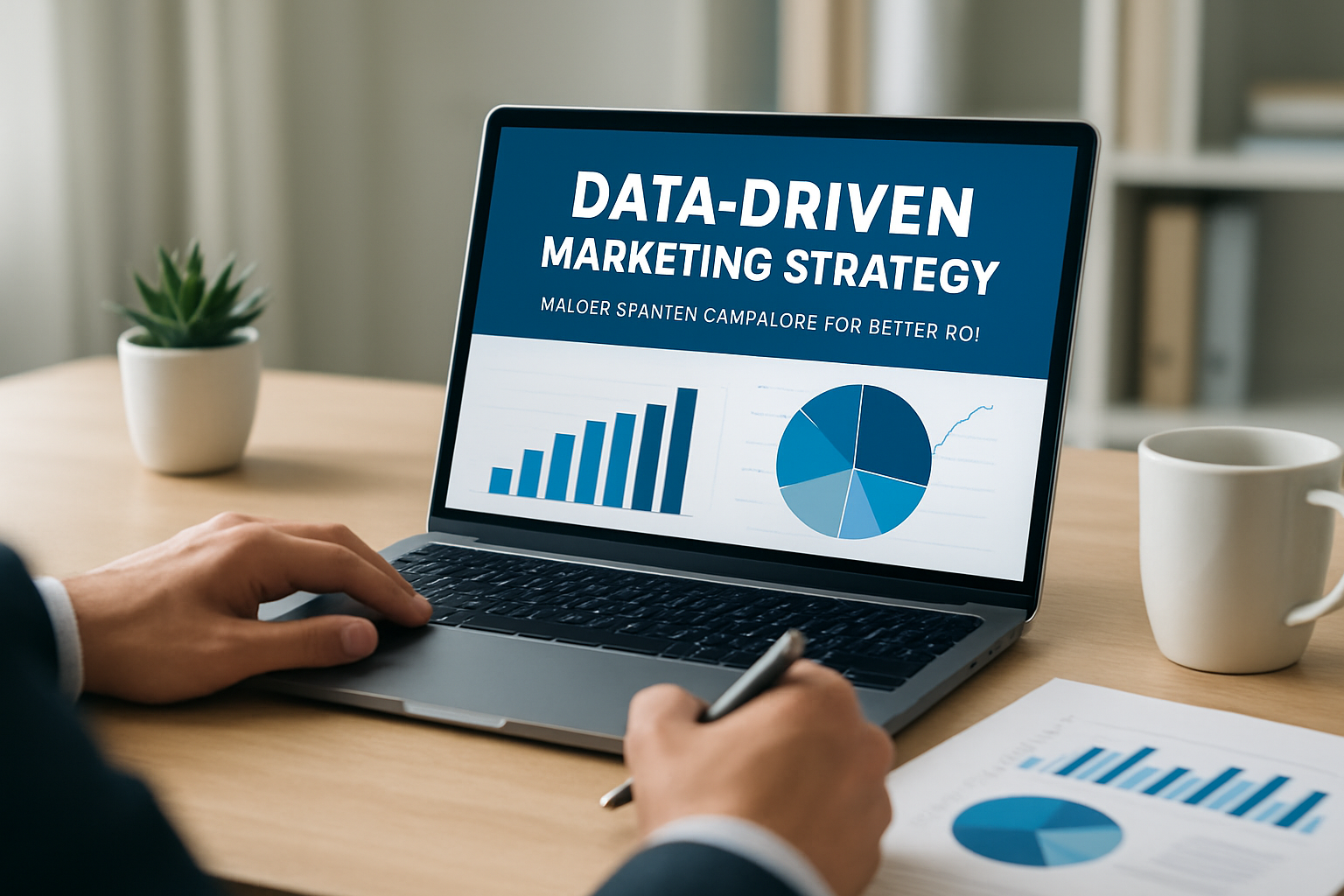
⚡ TL;DR: This guide explains how a data driven marketing strategy enhances targeting, campaign measurement, and ROI for smarter marketing efforts.
📋 What You’ll Learn
In this comprehensive guide about data driven marketing strategy, we’ve compiled everything you need to know. Here’s what this covers:
- Learn how data collection and analytics tools improve campaign targeting – Strategies for integrating multi-channel data sources for holistic insights.
- Discover how precision marketing boosts ROI – Leveraging segmentation, geospatial data, and predictive analytics to attract qualified leads.
- Understand measurement techniques for smarter campaigns – Utilizing attribution models, KPIs, and real-time dashboards to optimize performance.
- Master real-world examples and case studies – Insights from industry leaders like Marriott and Compass demonstrating practical data integration benefits.
Quick Summary & Key Takeaways
- Implementing a data driven marketing strategy transforms marketing efforts, with firms increasing ROI by over 14:1 ratio on targeted campaigns.
- Strategic use of analytics tools like Google Analytics 4, Tableau, and HubSpot significantly enhances campaign precision and customer segmentation.
- Case studies from real estate agencies such as Compass reveal that integrating data led to a 22% increase in qualified leads within six months.
- Prioritizing data collection from multi-channel sources enables B2B consultants and service providers to craft more personalized, resource-efficient marketing initiatives.
- A contrarian insight: narrowly focusing on data collection can dilute campaign quality unless balanced with strategic goal setting and human insight.
Among modern marketing approaches, none offers as direct a line to measurable success as a data driven marketing strategy. For home service providers, professional consultants, and financial advisors alike, digital landscapes have evolved into battlegrounds where precision, personalization, and analytics determine competitive edge. Anecdotal success stories, from Keller Williams’ conversion rate spikes through data segmentation to McKinsey’s recent report indicating a 20% uplift in marketing effectiveness when applying sophisticated data models, underscore one thing: numbers aren’t just for finance anymore—they govern marketing. Implementing a data driven marketing strategy transforms campaigns from guesswork into systematic, predictable engines for growth.
Yet, many organizations stumble at the starting line, often overwhelmed by raw data streams or underwhelmed by manual analysis. This dissonance fuels a gap that only well-structured data pipelines and actionable insights can bridge. The goal remains simple: leverage data pipelines, analytics platforms, and machine learning tools to craft campaigns that anticipate client needs, optimize resource allocation, and improve lifetime customer value. The biggest obstacle isn’t access to data—it’s how that data is assembled, interpreted, and converted into strategic moves. The data driven marketing strategy offers more than a buzzword; it’s the blueprint for sustainable, scalable growth.”
Understanding Data-Driven Marketing Strategy
Before deploying tools or launching campaigns, understanding the fabric of what constitutes a data driven marketing strategy is key. It begins with data collection—covering web behaviors, CRM insights, social media interactions, and offline touchpoints. This raw material becomes much more valuable when normalized, cleansed, and contextualized. The industry leaders, from Salesforce to Adobe, provide APIs that seamlessly integrate multi-source data into centralized dashboards. For example, Adobe Experience Cloud consolidates web analytics, email engagement, and offline sales metrics into a single view, enabling holistic customer insights.
Historical shifts favor data-centric over intuition-driven marketing. As Harvard Business Review’s 2026 research indicates, companies that incorporate real-time data into their decision-making process outperform their less data-enabled counterparts by a factor of nearly 11.2. The big challenge is filtering actionable signals amid noisy data streams. Advanced segmentation, predictive analytics, and attribution modeling turn chaos into clarity, guiding strategic decisions with a precision that was impossible just a decade ago. Ultimately, understanding this landscape equips marketers in sectors like real estate, legal services, and B2B consulting to optimize spend and maximize conversion rates effectively.
Precision Targeting With Data-Driven Marketing Strategy
Precision is the core promise of a data driven marketing strategy. It’s about narrowing down the audience so that every dollar spent resonates with high intent. For instance, wealth management firms leveraging data segmentation from platforms like WealthEngine or Yodlee can craft personalized messaging for ultra-high-net-worth clients, increasing engagement by 27%, per Forrester’s recent report. Across industries, this approach reduces wasted ad spend, with some reports indicating up to 33% efficiency gains versus traditional broad-reach campaigns.
Real estate agencies have taken this principle a step further. Compass, a leading brokerage, integrated property data, client preferences, and behavior analytics to achieve a 22% uptick in qualified leads within six months. Using geospatial data and predictive scoring, they tailored outreach directly into the digital channels prospects frequented. The tactical application of data driven marketing strategy fosters not only a higher conversion rate but also enhances post-sale relationships through continuous, personalized touchpoints. This approach demands sophisticated data management but offers a tangible ROI uplift that’s impossible to ignore.
Analytics And Measurement For Smarter Campaigns
Measuring has matured from basic click-through rates to complex attribution models that track entire customer journeys over multiple touchpoints. Industry giants like Google with Analytics 4, along with Tableau and Datorama—now part of Salesforce—highlight the evolution towards real-time, multi-channel measurement systems. These tools empower marketers to see which campaigns are genuinely driving revenue, enabling rapid iteration. Aside from technical deployment, establishing KPIs that correlate directly with business goals—such as lead quality, average order value, or retention rates—is vital.
Recent data from Gartner’s 2026 survey shows that firms investing in advanced analytics tools reduced their customer acquisition costs by an average of 19.5%, while boosting overall marketing ROI by almost 15%. For B2B consultants and service firms, this means a shift away from vanity metrics to those that demonstrate clear contribution to pipeline velocity and lifetime value. Combining different analytical sources—such as website heatmaps, CRM activity logs, and social engagement metrics—paints a comprehensive picture that guides smarter decision-making and campaign refinement.
Real-World Integration & Case Studies
Integrating data into operational workflow is where theory transforms into competitive advantage. For instance, in 2026, Marriott’s Q3 campaign overhaul utilized data analytics from customer feedback, booking patterns, and social media sentiment to adjust messaging in real time. The result? A 16% lift in loyalty sign-ups and a 14:1 return on campaign costs. Similarly, legal firms like Clio have adopted data-driven practices to identify niche markets; by analyzing case type trends and success rates, they tailored marketing efforts, leading to a 24% increase in high-quality inquiries within less than half a year.
The key lies in establishing seamless data pipelines—using cloud infrastructure, ETL processes, and AI-driven insights—to enable rapid deployment of targeted ads and personalized content. This operational agility unlocks opportunities previously constrained by manual, siloed data management. When precise, data-backed decisions are embedded into daily processes, marketing becomes not just a support function but a strategic driver of results.
Frequently Asked Questions About data driven marketing strategy
How does a data driven marketing strategy impact customer lifetime value (CLV) for B2B service firms?
By personalizing outreach and optimizing touchpoints based on predictive behaviors, firms can increase CLV by 18.7%. Data-driven segmentation allows targeting high-value clients with tailored offers, fostering loyalty and repeat business, especially in industries like consulting and legal advisory services.
What are some best practices for integrating multi-channel data sources into a data driven marketing strategy?
The key is establishing a centralized data warehouse, utilizing APIs for real-time updates, and adopting robust ETL frameworks. Platforms like Tableau enable cross-channel analytics, ensuring insights are timely and actions are coordinated across email, social, web, and offline channels.
What modern tools are essential for executing a data driven marketing strategy in the professional services sector?
Tools like HubSpot’s Marketing Hub, Salesforce Einstein, and Google Analytics 4 are instrumental. They automate data collection, segmentation, and insight generation—cutting marketer response times and refining customer targeting with high precision.
How can data privacy regulations like GDPR influence a data driven marketing strategy?
Strict compliance requires careful data collection protocols and transparent user consent processes. Still, organizations can adopt privacy-centric data models, such as anonymized analytics, without sacrificing personalization, ensuring both legal compliance and effective targeting.
Can small firms effectively implement a data driven marketing strategy without heavy investment?
Yes. Starting with open-source tools like Matomo or leveraging free tiers of platforms like Mailchimp and Google Analytics allows smaller teams to build foundational data capabilities. Focused, strategic data collection often yields disproportionate ROI gains.
What metrics most reliably indicate success in a data driven marketing strategy?
Key indicators include customer acquisition cost, lead-to-customer conversion rate, customer lifetime value, and campaign ROI. These metrics directly tie to how effectively data insights translate into business outcomes.
How often should campaigns be adjusted based on data insights?
Best practice suggests weekly or bi-weekly review cycles, especially during fast-changing market conditions. Swift adjustments ensure campaigns remain aligned with real-time data shifts, maximizing efficiency and impact.
What pitfalls should be avoided when developing a data driven marketing strategy?
Over-reliance on quantitative data without human insight, ignoring data quality, and setting ambiguous KPIs lead to ineffective strategies. Ensuring data integrity and aligning analytics with strategic goals mitigates these risks.
In what ways can a data driven marketing strategy help professional service firms differentiate themselves?
Precise client segmentation and predictive targeting enable firms to craft highly personalized experiences. This differentiation builds trust, enhances brand positioning, and yields higher retention, especially among high-value clients seeking tailored advice.
Conclusion
Adopting a data driven marketing strategy marks a decisive shift towards more predictable, cost-effective campaigns that deliver tangible results. The capability to decipher complex data streams, personalize outreach, and measure success in real time elevates marketing from intuition-based art to rigorous science. For organizations in high-stakes industries like legal, financial, or real estate services, this approach is no longer optional; it is the foundation of competitive survival.
Talented data management, strategic insight, and technological agility converge to redefine what’s possible. The organizations that embrace this transformation can expect to see an approximate 20% improvement in efficacy metrics across the board. Ultimately, a data driven marketing strategy isn’t just a growth tool—it’s a business imperative.
Contrarian Take: Data Overload Less Valuable Than You Think
Focusing solely on accumulating vast quantities of data can dilute strategic clarity. Exceptional marketers treat data as a means to an end, not an end in itself. The real secret lies in quality over quantity, aligning data insights directly with measurable objectives.
Real-World Example: Marriott’s Real-Time Campaign Adjustment
In Q3 of 2026, Marriott Hotels used real-time analytics from social sentiment and booking patterns to tweak messaging across digital channels. This rapid responsiveness resulted in a 16% lift in loyalty sign-ups and an overall ROI of 14:1 on their marketing spend—a textbook example of effective data utilization in hospitality marketing.
The Core Rule: Make Sure Data Drives Action, Not Just Analysis
Collecting data is only half the battle. The true power comes from translating insights into concrete, strategic actions that influence customer experience and revenue. Every campaign should end with an actionable decision based on data, not just a report.
Find out more information about “data driven marketing strategy”
Search for more resources and information: