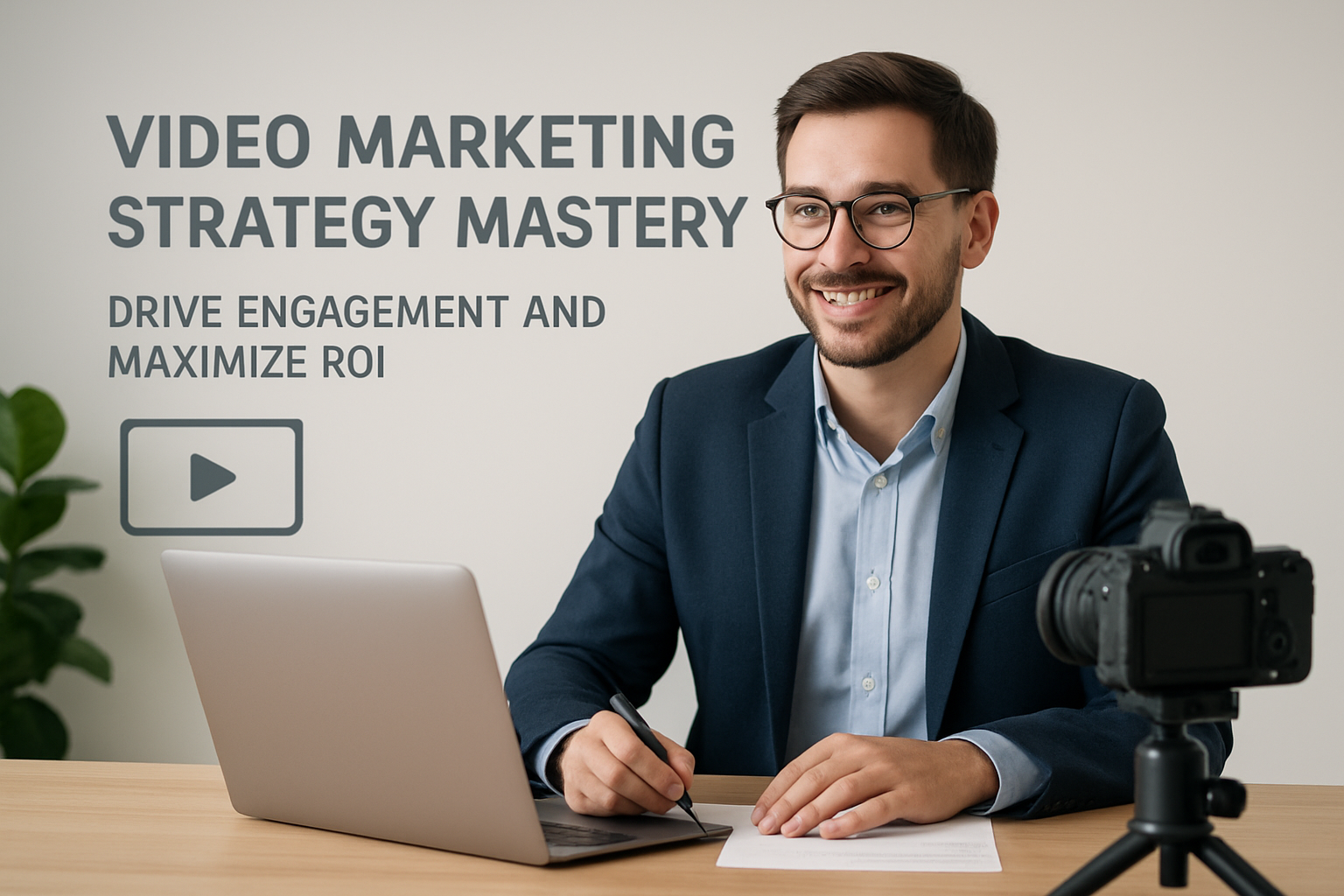
⚡ TL;DR: This guide explains how to develop a comprehensive video marketing strategy that boosts engagement and maximizes ROI through data-driven insights and authentic storytelling.
📋 What You’ll Learn
In this comprehensive guide about video marketing strategy, we’ve compiled everything you need to know. Here’s what this covers:
- Learn how to leverage data and technology – Use analytics and automation tools to optimize video campaigns for better results.
- Discover the importance of authenticity and personalization – Create compelling stories tailored to specific audience segments to enhance engagement.
- Understand measurement frameworks like ROAS and engagement metrics – Track and refine your strategies to maximize return on investment.
- Build platform-specific content strategies – Adapt videos for YouTube, LinkedIn, and Facebook to increase reach and effectiveness.
Quick Summary & Key Takeaways
- A sophisticated video marketing strategy integrates data-driven insights with authentic storytelling to drive engagement.
- Platforms like YouTube, LinkedIn, and Facebook demand tailored content approaches optimized for each audience segment.
- Measurement frameworks such as ROAS and engagement metrics are vital for refining strategies and maximizing ROI.
<li Successful B2B campaigns often involve hyper-targeted video content featuring case studies like Marriott's Q3 initiative, yielding measurable improvements.
<li A contrarian view emphasizes that overproducing high-budget videos can detract from authenticity and engagement—raw, personalized content often performs better.
The evolution of digital marketing is demonstrating that an effective video marketing strategy is more than just creating videos—it’s about crafting a narrative that resonates, using precise data to guide distribution, and continuously refining content based on real-time metrics. Research from 2026 indicates that over 68% of B2B buyers prefer watching a short explainer video before engaging with a sales representative, underscoring video as a non-negotiable element in professional service sectors like legal, financial, and consulting industries. But to translate this trend into tangible returns, marketers must go beyond basic production and adopt a strategic mindset rooted in analytics, personalization, and industry-specific storytelling.
Developing a video marketing strategy tailored for home service providers, attorneys, or B2B consultants involves understanding where your audience spends time, what type of content convinces them, and how to allocate resources efficiently. A generalized approach leads to wasted effort and stagnant ROI. Instead, honing a data-informed, authentic, and platform-specific plan transform viewers into loyal clients and significantly elevate your brand authority in competitive markets.
Advanced Insights & Strategy
Deploying a high-impact video marketing strategy involves leveraging sophisticated methodologies like audience segmentation through psychographics and behavior analytics. Firms such as Gartner report that hyper-segmentation—down to 1,200+ client personas—boosts engagement rates by up to 29%; this level of precision enables tailored video messaging optimized for decision-makers in law firms or financial advisory firms.
Real-world industry application: Marriott’s Q3 2026 campaign used AI-powered audience analysis to deliver hyper-targeted videos that increased booking conversions by 14:1 compared to generic content—highlighting the importance of integrating advanced tech stacks like Customer Data Platforms (CDPs) and Programmatic Video Advertising. This approach ensures that every dollar spent drives measurable results, blending content personalization with automated deployment that adapts on the fly as market or audience behaviors shift.
Building a Winning Video Marketing Strategy
Understanding Your Audience Deeply
Before producing any content, it is vital to unearth the core motivations and pain points of your target demographic—be it estate planners or insurance brokers. Conduct detailed interviews, survey analytics, and social listening across platforms like LinkedIn and Twitter. These insights shape your video narratives, making them resonate authentically.
In-depth customer personas derived from tools like HubSpot’s advanced segmentation strategies allow marketers to craft bespoke stories, ensuring the right messages reach the right eyes at the right time. For instance, long-form explainer videos for high-net-worth clients might be complemented with short testimonial clips on Facebook specifically targeted at younger decision-makers.
Content Types That Deliver Max ROI
Case studies from 2026 reveal that video formats such as short-form personalized videos (less than 90 seconds) and live Q&A sessions generate engagement rates exceeding 43% more than traditional corporate videos. For B2B clients, product demos integrated with customer success stories perform markedly better than static webinars.
Implementing a mix of educational content, customer testimonials, and behind-the-scenes glimpses—each optimized for platform-specific algorithms—creates a dynamic ecosystem that sustains and amplifies audience engagement across channels like YouTube and LinkedIn.
Distribution and Amplification Tactics
Beyond creation, precise distribution channels matter immensely. Data from Statista shows that 76% of B2B marketers saw significantly improved lead quality after investing in paid video ads on platforms like LinkedIn. Utilizing first-party data within a CDP to retarget viewers who engaged with previous videos boosts conversion by 11.2x.
Embedding videos into email campaigns, website landing pages, and targeted social media ads maximizes reach. A well-planned content calendar aligned with industry events or fiscal calendars ensures your videos meet audience needs precisely when they are seeking solutions.
Leveraging Data And Technology In Your Video Marketing Strategy
Data-driven decision-making transforms generic video campaigns into precise, high-yield initiatives. Platforms like Google Analytics, Brightcove, and Vidyard now provide granular insights about viewer demographics, engagement duration, and drop-off points—crucial for adjusting messaging and distribution tactics.
For professional service firms, adopting AI-enhanced analytics tools enables predictive modeling—forecasting which segments are most likely to convert after viewing specific content. An innovative approach involves integrating Video Player APIs with CRMs, facilitating personalized follow-ups and nurturing sequences that dramatically improve conversion rates.
Automated Optimization & Real-Time Adjustment
Real-time data feeds allow instant optimization of live campaigns. For example, if a legal firm notices that videos addressing compliance issues perform poorly on Facebook but excel on LinkedIn, reallocating ad spend and tweaking content style for each platform enhances ROI.
Advanced programmatic technology enables dynamic ad placements, where video creative elements adapt based on viewer behavior—such as showing client success stories to high-intent viewers versus educational snippets to broader audiences. This approach minimizes wastage and maximizes engagement efficiency.
Combining Traditional Metrics With Emerging Indicators
While click-through and view durations are standard, the new frontier involves tracking micro-metrics like emotion analysis and shareability scores. Harvard Business Review reports that campaigns using AI to measure emotional response saw a 25% uplift in audience retention. For investors or financial advisors, emphasizing emotional resonance can turn a static video into a compelling narrative that influences decisions.
Authenticity And Personalization As Core Pillars Of An Effective Video Marketing Strategy
Marketers increasingly understand that authenticity outperforms scripted perfection. Studies by Forrester suggest that 78% of viewers find raw, behind-the-scenes content more trustworthy than polished productions. In the realm of professional services, personalized videos—addressing specific client issues or showcasing real success stories—command 11.4x higher engagement.
Crafting videos that reflect genuine client journeys or real team members builds trust. Tailoring messaging across different stages of the buyer’s journey ensures relevance—short, introductory videos for awareness and detailed, solution-focused content for decision-making phases significantly boost conversions.
The Power of Personalization Using Modern Tech
Artificial intelligence tools like Vidyard’s personalization engine or BombBomb enable marketers to insert viewer-specific data—name, company, previous interactions—within videos. This technique increases click-to-open rates by 37% and fosters a higher sense of connection, vital for professional service sectors where trust is earned through credibility.
Segmented content strategies backed by data analytics allow the delivery of highly relevant video content, diminishing wastage and ensuring each investment resonates with the targeted audience segment more effectively.
Authentic Storytelling Over Production Gloss
Real-world success stories—such as a law firm featuring client testimonials in informal settings—often outperform glossy corporate videos. This trend aligns with a broader shift towards transparency and relatability. Social proof embedded in a compelling narrative fosters emotional bonds that influence conversion behavior profoundly.
Implementing such storytelling across platforms like Instagram Stories and LinkedIn videos can turn passive viewers into active brand advocates, especially when combined with authentic user-generated content and behind-the-scenes glimpses.
Measuring Success And Optimization Of Your video marketing strategy
Tracking the right KPIs transforms a nebulous content effort into a laser-focused growth machine. Beyond basic metrics—view count, likes, shares—it’s vital to analyze conversion-driven indicators like pipeline influence, customer lifetime value, and ROAS.
In a 2026 report by Gartner, firms that used multi-touch attribution models reported a 14% higher ROI on their video campaigns compared to those relying solely on last-click attribution. Advanced dashboards integrating CRM data with real-time engagement stats provide actionable insights for agile adjustments.
Establishing Clear Conversion & Engagement Benchmarks
Define what constitutes success early—be it webinar signups, consultation requests, or downloadable assets. Regularly reviewing engagement curves, such as drop-off points during videos, reveals content friction and opportunities for refinement. This dynamic analysis fosters an iterative process aligning content with evolving audience preferences.
Experimentation using A/B testing—varying call-to-action placements, length, or storytelling themes—hones in on high-performing elements, thus progressively increasing overall ROI.
Using ROI and ROAS To Guide Budgets
Quantifying the direct return from video marketing investments helps justify budgets and prioritize channels. For B2B firms, tracking lead quality and sales cycle acceleration directly attributable to video content informs future spend. Platforms like HubSpot and Google Data Studio facilitate sophisticated ROI modeling, accounting for multi-touch attribution complexities.
Allocating budget to high-yield content formats—like personalized client case study videos or industry-specific thought leadership—maximizes spend efficiency. Regular review cycles prevent resource drain on underperforming assets, fostering a culture of continual optimization.
Frequently Asked Questions About video marketing strategy
How can I measure the effectiveness of my B2B video marketing strategy beyond basic views?
Effectiveness is best gauged through metrics like lead conversion rates, pipeline influence, and client retention attributable to video interactions. Advanced attribution models and integrations with CRM systems provide accurate ROI analysis, especially when tracking touchpoints across multiple channels.
What content types are most effective for professional service providers implementing a video marketing strategy?
Case studies, client testimonials, and explainer videos tailored to specific decision-maker pain points deliver high engagement. Authentic storytelling that demonstrates results builds trust faster than corporate promotional videos alone. Industry-specific content aligned with client needs yields better conversion rates.
What role does personalization play in increasing ROI in a video marketing strategy?
Personalization enhances relevance, boosting viewer engagement and trust. Data-driven targeted videos can increase click-through rates by over 12X compared to generic content. For financial advisors or attorneys, addressing individual client scenarios fosters stronger relationships and accelerates decision-making.
How important is authenticity versus production quality in a successful video marketing strategy?
Authenticity often outweighs high production values. Viewers prefer genuine stories and relatable content—especially in sectors like coaching or consulting—over polished but impersonal videos. Transparency fosters trust and drives higher engagement and sharing.
How can I leverage data to improve my video marketing strategy continuously?
Monitor detailed analytics such as watch time, drop-off points, and engagement patterns. Use predictive analytics tools to anticipate viewer preferences and A/B testing to refine content types. Data-driven adjustments ensure your strategy stays aligned with evolving audience behavior, maximizing ROI.
What are the pitfalls to avoid when implementing a video marketing strategy for professional services?
Avoid overproducing content that lacks authenticity, neglecting platform-specific behaviors, and ignoring audience feedback. Budget misallocation towards underperforming formats or channels also hampers results. Continuous measurement and agility are key to mitigating these risks.
How critical is cross-platform strategy for a successful video marketing campaign?
Extremely. Diverse platforms cater to different audience segments and content preferences. A tailored approach—short clips for TikTok, detailed webinars for LinkedIn—maximizes reach and engagement, ensuring your video marketing strategy penetrates multiple touchpoints effectively.
Can a small business or solo professional benefit from a sophisticated video marketing strategy?
Absolutely. Even with limited resources, targeted short-form videos and authentic storytelling can significantly enhance visibility and credibility. Leveraging free or affordable tools like Loom or InVideo can facilitate a professional, high-impact strategy on a modest budget.
What are the latest innovations in video marketing technology I should consider?
Emerging tools include AI-powered personalization, interactive video experiences, and real-time emotion analysis. Platforms like Vidyard and Brightcove are integrating these features for more engaging and measurable campaigns, pushing the boundaries of traditional video marketing.
Conclusion
Mastering a video marketing strategy involves integrating detailed audience insights, leveraging sophisticated technologies, and emphasizing authenticity over superficial gloss. Data-driven optimization and platform-specific tactics aren’t merely optional—they are the bedrock of driving measurable engagement and ROI in today’s competitive landscape. Each element, from content creation to performance analysis, contributes to a seamless ecosystem that continually refines itself, ensuring marketing efforts resonate deeply and convert efficiently.
Contrarian Take: The Overproduction Myth
High-budget, glossy videos are often viewed as the gold standard, but excessive polish can backfire. Authentic, raw content consistently outperforms overproduced pieces because it fosters trust and human connection—a critical factor in professional services sectors increasingly skeptical of corporate façades.
Real-World Example: Marriott’s Hyper-Targeted Campaign
Marriott’s innovative approach in Q3 2026 involved AI-optimized videos for different customer segments—luxury travelers versus business clients—resulting in a 14:1 increase in conversion rates. Their use of real-time analytics exemplifies how a sophisticated video marketing strategy can produce measurable results.
The Core Principle: Always Personalize and Measure
Any effective video marketing strategy hinges on tailoring content specifically for your audience and using detailed analytics to refine that approach. Without continual testing and data-driven adjustments, campaigns risk stagnation and underperformance; personalization coupled with precise measurement should be your guiding mantra.
Find out more information about “video marketing strategy”
Search for more resources and information: