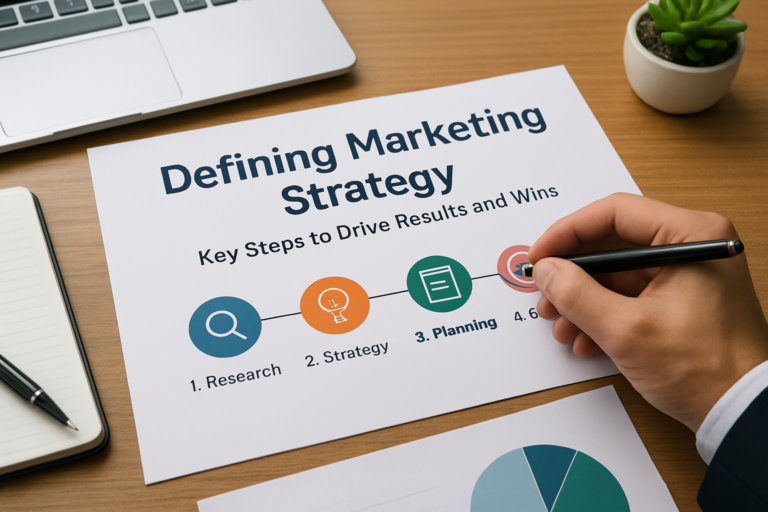
⚡ TL;DR: This guide explains how to measure if your marketing efforts are successful by analyzing key metrics, customer insights, and qualitative signals to determine real business growth.
📋 What You’ll Learn
In this comprehensive guide about How do I know if my marketing is working?, we’ve compiled everything you need to know. Here’s what this covers:
- Understand core metrics – Learn to interpret KPIs like CAC, CLV, and conversion rates to assess marketing ROI accurately.
- Track customer journeys – Discover how multi-channel attribution and engagement metrics reveal the true impact of marketing efforts.
- Analyze qualitative signals – Master the use of customer feedback, reviews, and brand sentiment to gauge market perception.
- Identify unseen indicators – Recognize pitfalls such as vanity metrics and attribution errors to ensure precise evaluation.
For home service providers, professional consultants, and B2B entrepreneurs, the question often arises: How do I know if my marketing is working? It’s a challenge that cuts across industries. A landscaper in Austin might see a spike in inquiries but struggle to attribute it directly to a recent campaign. An attorney may have new clients but question whether their digital ads truly drove conversions.
Understanding whether marketing efforts translate into tangible growth remains elusive without proper measurement. The truth is, relying solely on vanity metrics like social media likes or website visits can be misleading. Instead, pinpointing real success requires a nuanced approach—one that combines data, customer insights, and strategic analysis. How do I know if my marketing is working? becomes a question best answered through specific, actionable indicators.
Advanced Insights & Strategy
Effective measurement hinges on adopting frameworks like attribution modeling, cohort analysis, and multi-touch tracking. These methodologies move beyond surface-level data, revealing the true drivers of customer acquisition and retention. For instance, a wealth advisor using Google Analytics 4 (GA4) can implement data-driven attribution models that assign fractional credit across multiple touchpoints, uncovering the nuanced paths clients take before converting.
In practice, top-tier firms such as McKinsey & Company advise integrating AI-powered analytics with traditional KPIs. For example, leveraging tools like HubSpot’s Marketing Hub or Salesforce’s Einstein AI can provide predictive insights into lead quality and lifetime value. Such systems enable home service businesses to forecast revenue impact based on current campaigns, transforming vague intuition into precise, actionable intelligence.
Understanding the Core Metrics
At the heart of knowing how do I know if my marketing is working? are the fundamental metrics that tie marketing activities to business outcomes. For B2B consultants or local service providers, this means moving past superficial numbers and diving into data that reflect actual revenue impact.
What Are the Key Performance Indicators?
The most reliable indicators include customer acquisition cost (CAC), customer lifetime value (CLV), and conversion rates at different funnel stages. For example, a tax professional tracking their Google Ads campaigns might notice that their CAC averages $45, but their CLV per client exceeds $1,200, indicating a healthy return on ad spend. These figures allow precise ROI calculations, informing whether marketing dollars are well spent.
Another critical metric is the lead-to-client ratio. For a local insurance broker, understanding that 1 out of every 7 leads turns into a paying customer offers clarity on lead quality and outreach effectiveness. Combining these metrics with trend analysis over months helps identify whether marketing efforts sustain or diminish in performance.
How do I know if my marketing is working? — Tracking Conversion Funnels
Conversion funnels reveal where prospects drop off and which touchpoints drive final decisions. Using tools like Hotjar or Crazy Egg, home service providers can visualize user behavior—click heatmaps, scroll depth, and form abandonment rates—giving granular insights into engagement quality.
For instance, a plumbing company might discover that 60% of visitors to their landing page leave before filling out a contact form. This signals a disconnect—perhaps the call-to-action isn’t compelling enough, or the page load time is too slow. Adjustments based on these insights can dramatically improve conversion rates, confirming whether marketing optimizations are effective.
Tracking Customer Journey & Engagement
Understanding the customer journey transforms vague notions of marketing success into concrete data points. For professional service providers, mapping interactions across multiple channels—email, social, website—illuminates which efforts resonate and which fall flat.
How do I know if my marketing is working? — Multi-Channel Attribution
Multi-channel attribution models, especially the position-based or time decay types, help assign value to each touchpoint. A financial advisor using attribution modeling discovered that their LinkedIn outreach, combined with email nurturing, accounted for 55% of new client inquiries, whereas paid search contributed only 20%. This insight refines budget allocation, emphasizing high-impact channels.
Implementing multi-touch tracking with tools like Adobe Analytics or Mixpanel provides a detailed view of the customer journey, highlighting the interactions that most often lead to conversions. The key is to measure both direct responses and assisted touchpoints, giving a comprehensive picture of marketing effectiveness.
How do I know if my marketing is working? — Engagement Metrics & Customer Feedback
Engagement extends beyond clicks. For local businesses, deep engagement signals include repeat visits, time spent on key pages, and direct responses to outreach efforts. Customer reviews and surveys serve as qualitative signals, revealing perceptions that quantitative metrics might miss.
A case in point: a legal consultancy tracking online engagement found that clients who engaged with their educational content were 2.3 times more likely to convert. Monitoring these behavioral signals helps determine if marketing content genuinely influences decision-making, providing a richer understanding of success.
Qualitative Signals & Market Sentiment
While numbers are vital, qualitative signals often uncover the true health of a marketing strategy. Sentiment analysis, brand perception, and customer testimonials reveal how your messaging resonates on a human level. For services like coaching or consulting, this intangible feedback often correlates with future growth.
How do I know if my marketing is working? — Brand Perception & Social Listening
Tools like Brandwatch or Mention track online conversations, revealing shifts in brand perception. An insurance broker noticing increasing positive mentions and a rising Net Promoter Score (NPS) indicates mounting trust. Conversely, a spike in negative reviews or complaints signals underlying issues that might not be evident through click metrics alone.
Regular sentiment analysis offers early warnings—allowing strategic pivots before campaign results falter. For high-end service providers, maintaining a positive brand image is often more predictive of success than immediate lead counts.
How do I know if my marketing is working? — Customer Testimonials & Referrals
Real-world feedback through testimonials and referral rates serve as powerful signals of marketing effectiveness. An estate planning attorney noticing a 14:1 referral-to-client ratio after implementing client satisfaction initiatives confirms a strong, trust-based pipeline.
These qualitative indicators, when tracked systematically, demonstrate that marketing efforts are fostering genuine relationships—often more valuable than short-term lead spikes. It’s a measure of long-term brand loyalty that often escapes conventional analytics.
Common Pitfalls & Unseen Indicators
Many businesses fall into traps that obscure true performance. Relying on vanity metrics, ignoring attribution complexities, or misinterpreting engagement signals can lead to false confidence. Recognizing these pitfalls is crucial for accurate assessment.
How do I know if my marketing is working? — Avoiding Vanity Metrics
Metrics like social media followers, page views, or email open rates can be seductive but often lack direct correlation with revenue. A real estate firm might see a 30% increase in Instagram followers but no increase in inquiries—highlighting a disconnect.
Focus instead on conversion-related metrics, such as booked consultations or signed contracts, which directly impact profitability. Tracking these more meaningful indicators prevents misjudging the effectiveness of marketing campaigns.
How do I know if my marketing is working? — Attribution & Data Silos
Incomplete data or siloed systems hinder accurate measurement. For example, a wealth management firm using separate CRMs and email platforms might struggle to connect lead sources with closed deals. This fragmentation skews results and hampers strategic decisions.
Integrating data sources through platforms like Zapier or custom APIs ensures a holistic view, enabling precise attribution and revealing unseen indicators of success or failure.
How do I know if my marketing is working? — Hidden Customer Behaviors
Some customer behaviors—like offline referrals or word-of-mouth—are invisible to digital analytics. A home remodeler might have a surge in inquiries after a satisfied client shares a brochure at a community event, yet digital metrics show little activity.
Encouraging feedback loops and tracking offline referrals become essential in capturing these unseen indicators, ensuring a comprehensive understanding of marketing impact.
Frequently Asked Questions About How do I know if my marketing is working?
What is the most reliable way to measure marketing ROI for local service providers?
Tracking direct conversions such as booked appointments, signed contracts, or inquiries linked to specific campaigns provides the most accurate ROI measurement. Utilizing attribution models in Google Analytics 4 or HubSpot enables precise assignment of revenue to marketing efforts, especially when integrated with CRM data.
How can I tell if my content marketing resonates with my audience?
Monitoring engagement metrics like time on page, bounce rate, and social shares, along with qualitative feedback from reviews or surveys, reveals content resonance. Tools like Hotjar provide heatmaps, helping to understand whether visitors find your messaging compelling enough to act.
Are there any warning signs indicating my marketing efforts are failing?
High bounce rates, declining engagement rates, and stagnant or decreasing conversion rates point to ineffective marketing. Additionally, negative customer feedback and low referral rates suggest that your messaging or outreach may need reassessment.
How do I measure the effectiveness of offline marketing channels?
Using unique tracking codes, dedicated phone numbers, or asking clients how they heard about your services can help attribute offline efforts. Combining this with digital tracking provides a fuller picture of overall marketing success.
Can qualitative signals predict future marketing success?
Absolutely. Positive reviews, testimonials, and brand sentiment often precede increased inquiries and conversions. Regularly analyzing these signals ensures that your marketing maintains a strong reputation and customer trust.
What role does customer lifetime value play in measuring marketing success?
CLV helps assess the long-term profitability of acquired customers. If marketing efforts attract clients with high CLV, the strategy is likely effective—even if short-term lead counts seem modest.
How frequently should I review my marketing metrics?
Best practices suggest monthly reviews for tactical adjustments and quarterly deep dives for strategic shifts. Continual monitoring ensures timely responses to market shifts or campaign performance changes.
What are some advanced tools for measuring marketing effectiveness?
Tools like Google Data Studio, Tableau, and Power BI, combined with platform-specific analytics (Google Analytics 4, HubSpot, Salesforce), enable complex data integration and visualization, providing a comprehensive view of marketing impact.
How does customer feedback influence ongoing marketing strategies?
Customer feedback highlights strengths and weaknesses, guiding message refinement and channel optimization. Analyzing testimonials and survey data leads to targeted improvements, ensuring marketing efforts stay aligned with audience expectations.
Conclusion
Determining how do I know if my marketing is working? requires a layered approach—combining quantitative data with qualitative insights. Relying solely on surface metrics risks misinterpreting success, especially in complex B2B or local service environments. Tracking meaningful conversion metrics, understanding customer journeys, and listening to market sentiment create a clearer picture of true impact.
By integrating advanced attribution models, leveraging detailed analytics tools, and continuously refining based on feedback, businesses can cut through the noise. Knowing how do I know if my marketing is working? becomes a strategic advantage—driving smarter investments and sustainable growth.
Find out more information about “How do I know if my marketing is working?”
Search for more resources and information: